Why Africa Is Ready for the Robotics Revolution
From mining operations in the DRC to agricultural automation in Kenya, autonomous robots are poised to transform industries across the African continent. Here's why the timing has never been better.
Africa stands at the cusp of a technological transformation. With rapid urbanization, growing infrastructure demands, and an increasingly tech-savvy workforce, the continent is uniquely positioned to leapfrog traditional industrial models and adopt cutting-edge robotics solutions.
The Economic Case
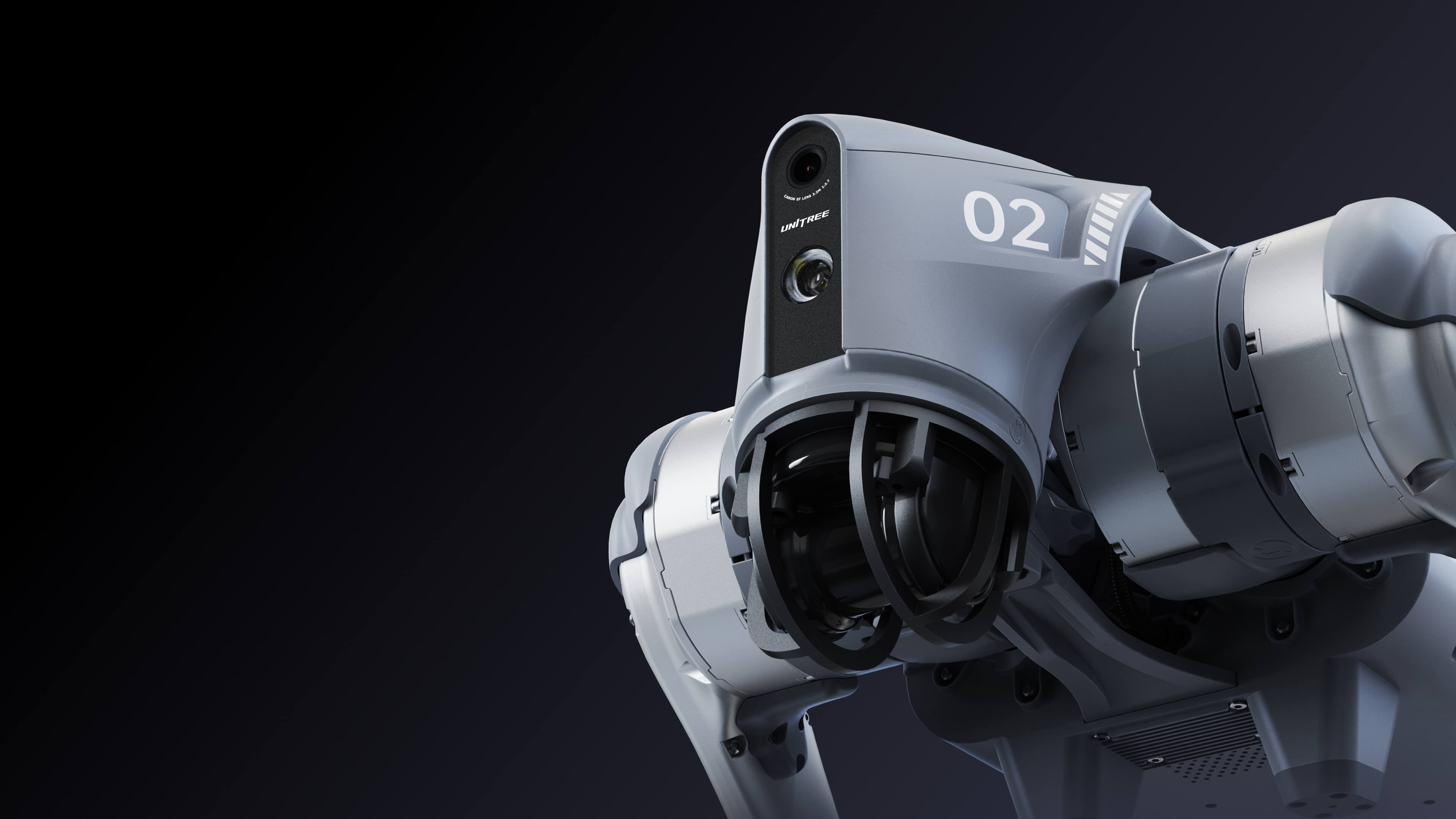
The African robotics market is projected to grow significantly over the next decade. Key sectors driving demand include mining, agriculture, security, and logistics — all areas where autonomous robots like the Unitree B2 and Go2 series excel.
Unlike traditional industrial robots that require expensive infrastructure, modern legged robots can operate in unstructured environments — exactly the conditions found across many African industrial sites. They can traverse rough terrain, navigate around obstacles, and operate in extreme temperatures from -20°C to 55°C.
Mining and Resources
Africa's mining industry, which accounts for a significant portion of the continent's GDP, faces persistent challenges with safety and operational efficiency. Autonomous quadruped robots can be deployed for underground inspection, environmental monitoring, and hazardous area surveillance — reducing human exposure to dangerous conditions while improving data collection.
Agriculture at Scale
With agriculture employing a large percentage of Africa's workforce, automation presents enormous opportunities. Robots equipped with LiDAR sensors and AI can monitor crop health, map terrain, and assist with precision farming — making smallholder farms as efficient as large commercial operations.
The Infrastructure Advantage
Interestingly, Africa's emerging infrastructure could be an advantage rather than a hindrance. Rather than retrofitting old factories and warehouses, new facilities can be designed from the ground up with robotics integration in mind. This greenfield approach allows for optimal deployment of autonomous systems.
Looking Forward
As MCM Robotics, we're not just distributing robots — we're building an ecosystem. From training programs to local technical support, we're ensuring that Africa doesn't just adopt robotics technology, but masters it.
The question is no longer whether Africa is ready for robotics. The question is: are you ready to lead the charge?