Humanoid Robots: From Science Fiction to African Factories
Unitree's humanoid lineup — the G1, H1, and H2 — represents the most commercially viable humanoid robots ever produced. We explore how these machines could transform African manufacturing and services.
For decades, humanoid robots existed primarily in science fiction and expensive research labs. Unitree has changed that equation entirely. With the G1 starting at an unprecedented price point and the H2 pushing the boundaries of what's physically possible, humanoid robots are now commercially viable for real-world deployment.
The G1: Compact and Capable
The Unitree G1 stands 127cm tall and weighs just 35kg, yet packs 43 degrees of freedom (in the EDU variant) and up to 9,000 TOPS of AI computing power. It can learn tasks through imitation — simply demonstrate what you want it to do, and its neural network will replicate the movement.
Key capabilities include:
- Dexterous hands capable of manipulating small objects
- Imitation learning from human demonstration
- World model AI for understanding spatial relationships
- Walking, bending, and navigating complex environments
The H1: World Record Holder
The Unitree H1 holds the world record for bipedal running speed at 3.3 m/s. Standing at full human height with 22-27 degrees of freedom, it represents the bridge between compact humanoids and full-scale industrial machines.
The H2: The Flagship
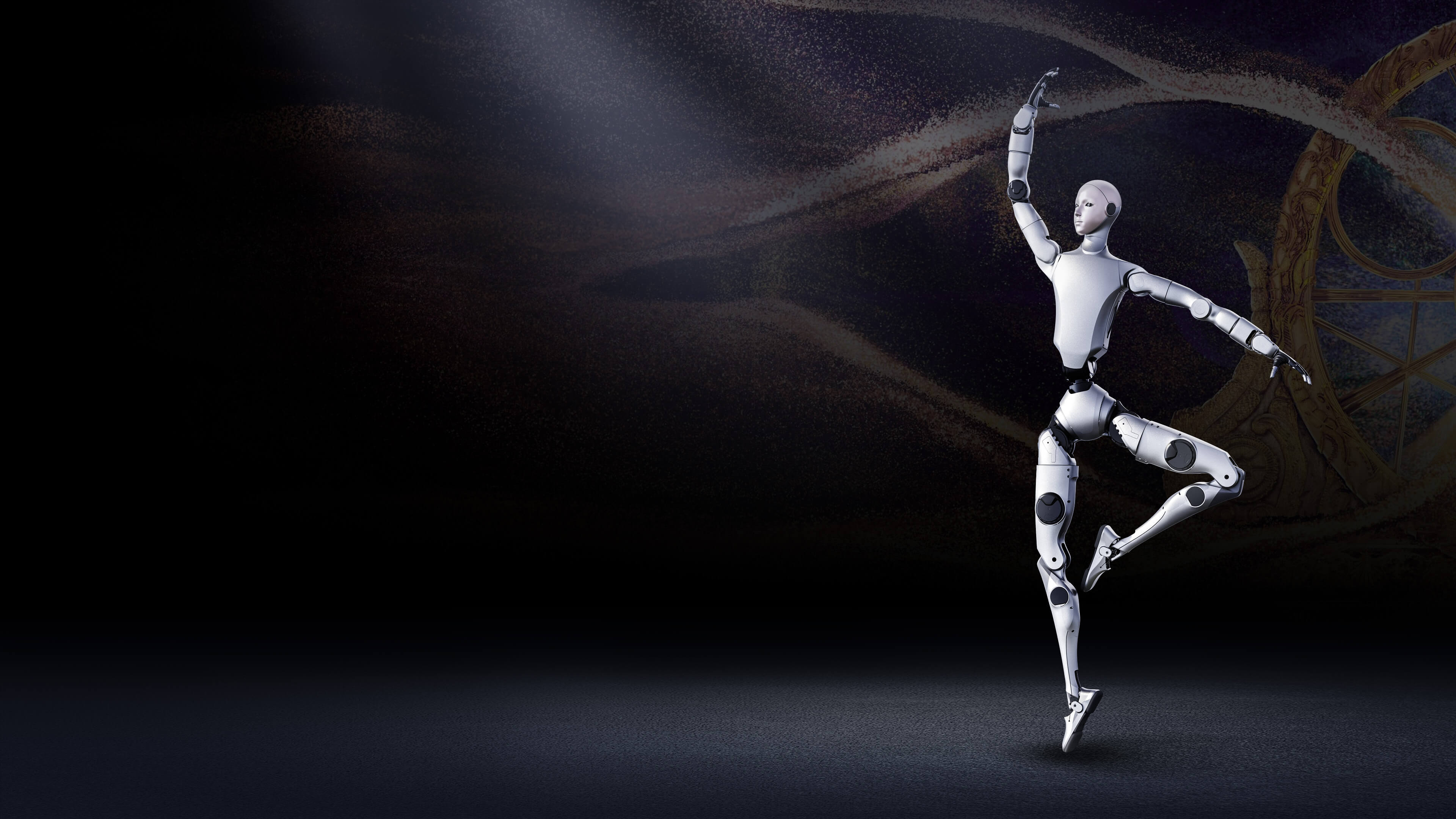
Code-named "Destiny Awakening," the H2 is Unitree's flagship humanoid. At 182cm tall with 31 degrees of freedom and up to 360 N.m of joint torque, it's designed for real industrial work. Its 2,070 TOPS of onboard computing power enables sophisticated AI reasoning and autonomous decision-making.
Applications for Africa
The implications for African industry are profound:
- Manufacturing — Humanoids can work alongside humans in existing factories without requiring the facility to be redesigned for traditional industrial robots.
- Logistics — Loading, sorting, and warehouse operations can be augmented with humanoid workers that understand human workflows.
- Healthcare — Assistive roles in hospitals and care facilities, handling repetitive tasks so human staff can focus on patient care.
- Mining — Dangerous underground inspections and maintenance tasks can be delegated to humanoid robots.
The Future Is Here
What makes Unitree's humanoid lineup revolutionary is not just the technology — it's the accessibility. These robots are priced to enable real commercial adoption, not just research experiments. As Africa's industries grow and modernize, humanoid robots will play an increasingly central role.